23.【Generative AI Experiment】Japanese vs English
Same Meaning, Different Results in Image Generation Prompts
tags:
- GenerativeAI
- ImageGeneration
- Prompt
- Experiment
- Japanese
- English
🎯 Introduction
In image-generation AI, the following situation occurs frequently:
“The instruction means the same thing, but the result is different.”
This phenomenon is especially pronounced when comparing
Japanese prompts and English prompts,
and it cannot be dismissed as a simple translation issue.
In this article, under the same theme and conditions, we compare:
- Japanese-language prompts
- English-language prompts
to clarify:
- Why differences occur
- Where those differences appear
🎯 The core focus of this article is to show that language itself is a design variable.
🧭 Position of This Article
This article is a continuation of the following experiment series:
- Part 1: Kyoto landscapes (10 directive variations)
- Part 2: Temple architecture (10 directive variations)
In the first two experiments, we observed:
- What to specify
- Which layer it affects (atmosphere / structure)
- And how it takes effect
This time, we keep the theme the same and treat
the language of the prompt itself as the variable.
🧭 The goal is to isolate the effect of “the language used,” not the content of the instruction.
🔬 Experimental Conditions (Fixed Rules)
All of the following are fixed:
- Theme: Japanese temple architecture
- Models: DALL·E / Stable Diffusion / Midjourney, etc. (not specified)
- Variable: prompt language only
- Comparison targets:
- Composition stability
- Structural preservation
- Stylistic consistency
- Staging (color, light, atmosphere)
🔬 All variables except language are eliminated to make differences explicit.
⚙️ Base Prompts (Japanese / English)
🇯🇵 Japanese Base Prompt
日本の寺院建築,
木造構造,
落ち着いた雰囲気,
自然な光,
文字なし, ロゴなし
🇺🇸 English Base Prompt
Japanese temple architecture,
wooden structure,
calm atmosphere,
natural lighting,
no text, no logo
※ The semantic content is intentionally aligned.
⚙️ This comparison focuses on interpretation, not translation accuracy.
🔬 Generated Result Comparison (Japanese vs English)
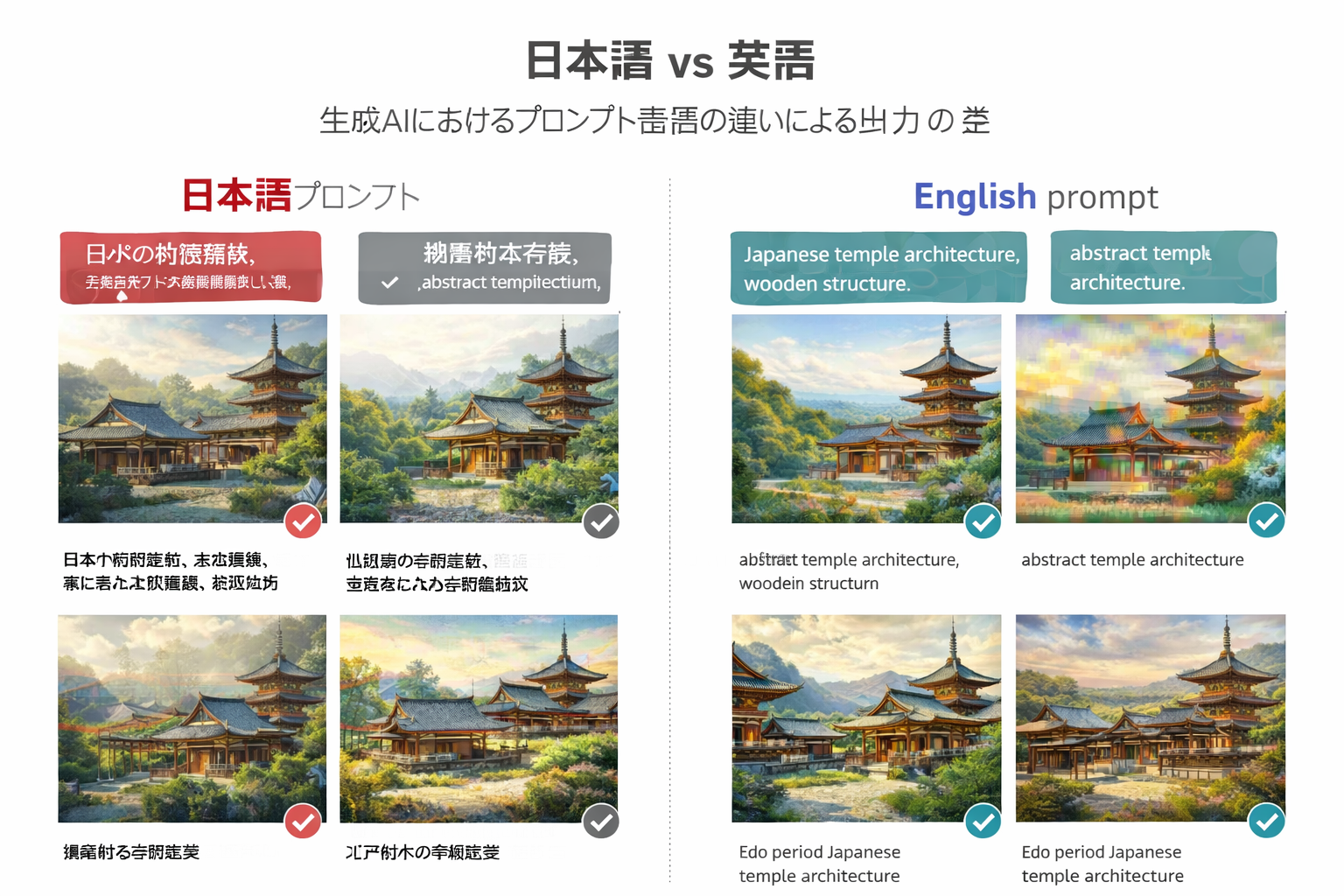
Figure 1: Comparison of generated results under the same theme and conditions,
showing how outputs differ between Japanese and English prompts.
🧠 Key Observed Differences
① Structural Stability
- Japanese
- Roofs and columns tend to fluctuate
- Architectural styles are more likely to mix
- English
- Structural elements are stable
- Roofs, axes, and column layouts remain consistent
👉 If structural control is the goal, English is overwhelmingly superior.
② Atmospheric Expression
- Japanese
- More emotional and expressive
- Mist, dusk scenes, and Nihonga-like aesthetics appear frequently
- English
- Atmosphere is more restrained
- Light sources and saturation are controllable
🧠 Japanese strongly affects the
emotional and staging layers.
③ Behavior of Abstract Terms
Even when the intended meaning of “abstract” is the same:
- Japanese
→ Painterly, impressionistic tendencies - English (
abstract)
→ Simplification of form while preserving structure
👉 English abstraction is closer to “technical abstraction.”
⚠️ ④ Differences in Era Specification
Japanese
江戸時代の寺院建築
- Nihonga-like rendering
- Atmosphere prioritized
- Lower realism
English
Edo period Japanese temple architecture
- Architectural style is fixed
- Roof shapes and ornamentation are stable
- Higher realism
⚠️ Era specification is far more reproducible when written in English.
🧠 Why These Differences Occur
① Difference in Training Data Volume
- English: overwhelmingly large
- Japanese: limited in both volume and granularity
👉 English prompts are often interpreted directly,
👉 Japanese prompts tend to go through translation and reinterpretation.
② Difference in Term Density
In English:
- architecture
- structure
- lighting
are fixed technical terms.
In Japanese:
- Interpretation depends more on context
- Emotional nuance is easily introduced
⚙️ Language Usage Guidelines (Important)
| Purpose | Recommended Language |
|---|---|
| Structural control | English |
| Reproducibility | English |
| Comparative experiments | English |
| Atmosphere and emotion | Japanese |
| Japanese-style expression | Japanese |
👉 It’s not about which is correct, but that they serve different roles.
⚙️ Practical Implications
- 🔬 Analysis and validation
→ Use English prompts as the baseline - 🎨 Expression and world-building
→ Combine with Japanese prompts - 🧱 Serious control
→ English primary + Japanese supplementary
✅ Summary
- Even with the same meaning, different languages produce different results
- Japanese excels at emotional control
- English excels at structural control
- Prompt language is one of the design variables
By being conscious of language choice,
image generation shifts from randomness to control.
Closing Remarks
In this article, we compared Japanese and English prompts
under the same theme and conditions.
What became clear is that language differences are not merely superficial,
but act as independent design variables in image generation.
- Japanese strongly influences emotion and staging
- English provides stable control over structure and reproducibility
Rather than deciding which is “better,”
the key is recognizing their different functional roles
and using them appropriately based on purpose.
When prompts are treated not as spells,
but as decomposed control inputs,
image generation moves away from chance
and closer to intentional design.
End.